Aging and Lifestyle Factors That Influence Nail Strength
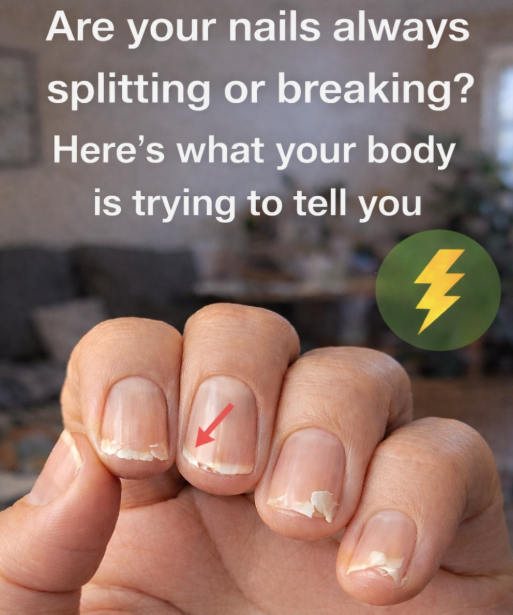
As we get older, nail growth naturally slows, and the plates often become thinner and less elastic. This can lead to more ridges, splitting, and breaking. Hormonal shifts during menopause may reduce the nails’ ability to retain moisture, health experts note.
Lifestyle choices can amplify these changes. Smoking restricts blood flow to the fingers, limiting nutrient delivery. High stress sometimes leads to unconscious habits like nail biting or picking, adding extra wear and tear.
Have you noticed your nails feeling more fragile in recent years? These subtle shifts might be part of the picture.
Nutritional Factors That Affect Nail Health
What you eat directly influences how strong your nails grow. Nails need a steady supply of certain nutrients to produce healthy keratin. When intake falls short, brittleness and splitting can appear.
Iron is one important nutrient. Low iron levels, often linked to anemia, are associated with fragile nails in studies.
This is especially common in women with heavy menstrual cycles or limited dietary variety.
Biotin, a B-vitamin, supports keratin production. Some research suggests supplementation can increase nail thickness in certain cases, though results vary.
Other nutrients like zinc, protein, and omega-3 fatty acids also play roles—zinc aids growth, protein supplies building blocks, and omega-3s help maintain moisture.
Staying well-hydrated matters too. Dehydration affects the whole body, including nails, making them drier and more prone to cracking.
See more on the next page
Advertisement
