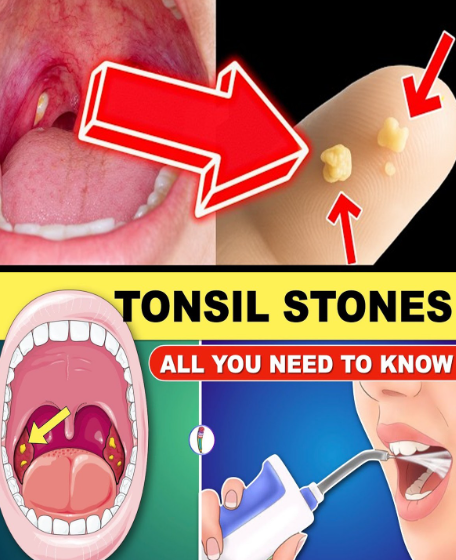
What Exactly Are Tonsil Stones and How Do They Form?
Picture this: You’re 35, rushing through busy days, but by evening, that nagging bad breath or lump sensation ruins dinner. Ever had that moment when coughing up a gritty pebble shocks you?
Tonsil stones form when food particles, dead cells, mucus, and bacteria harden in tonsil crypts. Poor hygiene, large tonsils, or chronic issues facilitate buildup. STOP—before continuing, rate your bad breath concern on a scale of 1-10 and note it.
Benefit 1: May Reduce Bad Breath Naturally
Persistent odor ruining social moments? Meet Laura, a 42-year-old teacher from California, whose tonsil stones left her self-conscious during parent meetings. “Colleagues hinted, I felt mortified,” she shared.
She started vigorous salt water gargling daily. Within weeks, odor faded. Research suggests salt water may help dislodge debris and alter oral environment favorably.
How it works: Osmotic action loosens buildup. Laura confidently led classes again. Rate your breath 1-10: If below 8, this could help. But the throat comfort next surprises…
Bonus tip most articles won’t tell you: Add a drop of peppermint oil to gargle for fresher feel.
Benefit 2: Potential Discomfort Relief
For busy parents chasing kids while battling throat irritation, imagine easier swallowing. Quick mental exercise: Picture meals without that lump feeling.
Mike, a 38-year-old dad from Texas, winced eating with family. “Stones made everything hurt,” he told his wife.
Gentle coughing and hydration helped expel them. By day 7, relief came. Studies note coughing may loosen smaller stones naturally.
Mechanism: Force dislodges trapped material. Mike enjoyed family barbecues pain-free. Self-check: How often throat irritation 1-5? The prevention boost awaits…
You’ve unlocked 2 out of 15 strategies—only 13 left, momentum building!
See more on the next page
Advertisement
