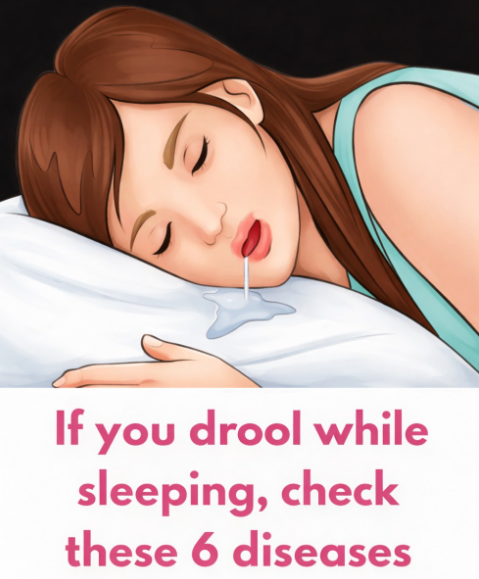
Nasal Congestion: A Hidden Contributor to Nighttime Drooling
Blocked nasal passages from allergies, colds, or ongoing sinus issues often shift breathing to the mouth at night, leading to unchecked saliva flow and drooling while sleeping. This can worsen morning headaches or that lingering groggy sensation.
If congestion regularly impacts your rest, drooling might be an extra layer of annoyance tied to it. Studies link sinus problems to increased mouth breathing during sleep.
Here’s the encouraging part: Addressing the underlying congestion can noticeably cut down on drooling, breaking the cycle of disrupted sleep and daytime tiredness. Gentle options like a humidifier or saline rinses offer straightforward support.
For those dealing with frequent infections, focusing on prevention makes a real difference. Medical sources confirm temporary causes like colds top the list.
And interestingly, even anatomical factors such as a deviated septum can keep airways partially blocked, promoting ongoing mouth breathing. Over time, this adds unnecessary strain.
If persistent stuffiness sounds familiar, a professional check could reveal helpful paths forward. ENT experts often note these structural contributors.
Common triggers for congestion-related drooling:
- Seasonal allergies causing nasal inflammation
- Viral infections or sinusitis blocking passages
- Chronic conditions like allergic rhinitis
- Irritants in your sleep environment aggravating symptoms
See more on the next page
Advertisement
