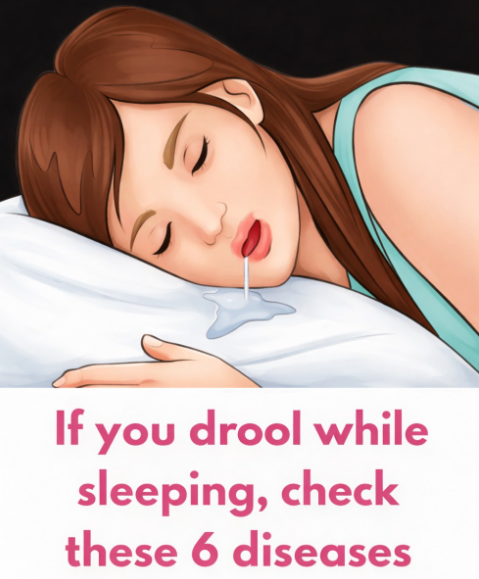
The Link Between Sleep Apnea and Drooling While Sleeping
Sleep apnea frequently involves obstructed airways, leading to mouth breathing and increased drooling alongside symptoms like snoring or exhaustion. This interrupts restorative sleep, leaving you feeling worn out no matter how long you rest.
If your drooling comes with loud snoring, it could be worth exploring further. Multiple studies strongly associate obstructive sleep apnea (OSA) with nighttime oral breathing.
The truth is, managing apnea often reduces drooling while improving daily energy and well-being. Approaches like CPAP encourage nasal breathing effectively.
For anyone suspecting breathing disruptions, evaluation brings clarity. Clinical evidence backs this relationship firmly.
Comparing signs of drooling alone vs. with potential sleep apnea:
| Symptom | Occasional Drooling Alone | With Potential Sleep Apnea |
|---|---|---|
| Breathing Pattern | Mostly nasal | Frequent mouth breathing or snoring |
| Morning Sensation | Generally refreshed, despite damp pillow | Ongoing tiredness or headaches |
| Nighttime Disruptions | Minimal | Gasping, pauses, or awakenings |
| Saliva Flow Issue | Mainly position-related | Excess due to open-mouth breathing |
Other Less Common Factors Contributing to Drooling While Sleeping
In rarer cases, neurological conditions or certain infections can play a role, particularly if drooling appears suddenly or excessively. This might raise concerns when no obvious cause stands out.
WebMD notes various underlying triggers worth considering.
Additionally, hormonal changes during pregnancy can temporarily increase saliva, leading to more drooling at rest. It often eases after delivery.
See more on the next page
Advertisement
