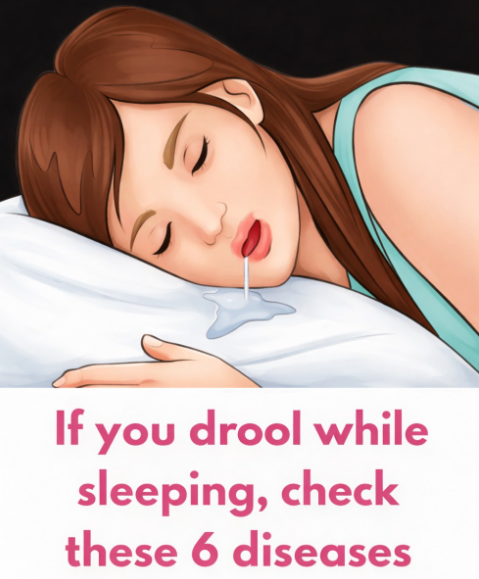
Waking up with a damp pillow from drooling during sleep can leave you feeling embarrassed and uncomfortable, disrupting that sense of refreshment you crave in the morning. It often ties to everyday factors like how you position your body at night, yet for some, it quietly points to areas where your overall well-being could use a little extra attention. Understanding these common triggers can bring relief and better nights—but what if ongoing drooling is gently signaling something deeper about your health? Keep reading to uncover that toward the end.
The Most Common Cause: Sleeping Position and Drooling at Night
Drooling while sleeping often links directly to your favorite sleep position, especially if you’re a side or stomach sleeper. Gravity naturally pulls saliva toward the edge of your mouth when it’s slightly open during deep relaxation.
Many people notice this more on one side, leading to chapped lips or soggy sheets that add to the frustration. According to the Cleveland Clinic, side and stomach positions make drooling more likely than sleeping on your back, where saliva stays put.
But that’s just the start. Nasal congestion from a cold or allergies can force mouth breathing, turning occasional drooling into a regular issue. This open-mouth habit lets saliva escape easily, compounding that stuffed-up feeling upon waking.
Research shows allergies and infections frequently play a role in nighttime mouth breathing.
The good news? Occasional drooling is completely normal and harmless for most adults. If your preferred position feels best but causes mess, minor tweaks can help you keep it without the downside. Health experts agree gravity is the key player here.
See more on the next page
Advertisement
